Who We Are
The Medicaid and Reproductive Justice Collaborative (Collaborative) is a coalition dedicated to advancing the reproductive justice movement’s vision for Medicaid and national health care reform. Since our founding in 2018, the Collaborative has strategized to advance and defend reproductive justice for Medicaid beneficiaries; analyzed and developed resources on what Medicaid-related legal and policy developments mean for reproductive justice; trained reproductive justice advocates to shape and defend federal Medicaid-related policy; and advanced a shared, bold reproductive justice vision for federal universal health care reform.
The Collaborative is a dedicated movement space for reproductive justice organizations and advocates to develop shared analysis, dream and strategize together, and build collective power on their own terms and in accordance with movement values. The Collaborative is comprised of over 30 reproductive justice organizations and advocates nationwide and is directed by a Leadership Council composed of In Our Own Voice: National Black Women’s Reproductive Justice Agenda, the National Asian Pacific American Women’s Forum, the National Latina Institute for Reproductive Justice, and Unite for Reproductive & Gender Equity. It is anchored by the National Health Law Program (NHeLP). NHeLP’s lawyers and policy strategists are committed to serving as a solidaristic and accountable partners to reproductive justice advocates engaging in Medicaid and health care reform advocacy through the Collaborative and beyond.
Medicaid as a Reproductive Justice Issue
Protecting and strengthening Medicaid has always been a reproductive justice issue. As of December 2025, the program covered over 75 million people with low incomes, disproportionately Black, Indigenous, and People of Color (BIPOC), people of reproductive age, parents, children, young people, LGBTQI+ people, and people with disabilities. The program covers a wide range of critical health services, such as primary care, family planning, pregnancy-related care, abortion care (in the states that cover this service) HIV/STI testing and treatment, and disability-related services, making it a critical tool for reducing health and economic inequities. The Patient Protection and Affordable Care Act (ACA) added vital protections against discrimination in health care, promoting reproductive justice for Medicaid enrollees. At the same time, Medicaid has also been a site of reproductive oppression, financing “Mississippi appendectomies,” weathering anti-Black state policy proposals to coerce Medicaid enrollees into using long-acting reversible contraception, excluding communities from coverage under racist and xenophobic eligibility restrictions, and subjecting enrollees to a de facto ban on abortion access in most circumstances due to the Hyde Amendment. These histories and present-day realities make reproductive justice a necessary framework for examining, reimagining, and transforming the Medicaid program.
What Medicaid Cuts Mean for Reproductive Justice
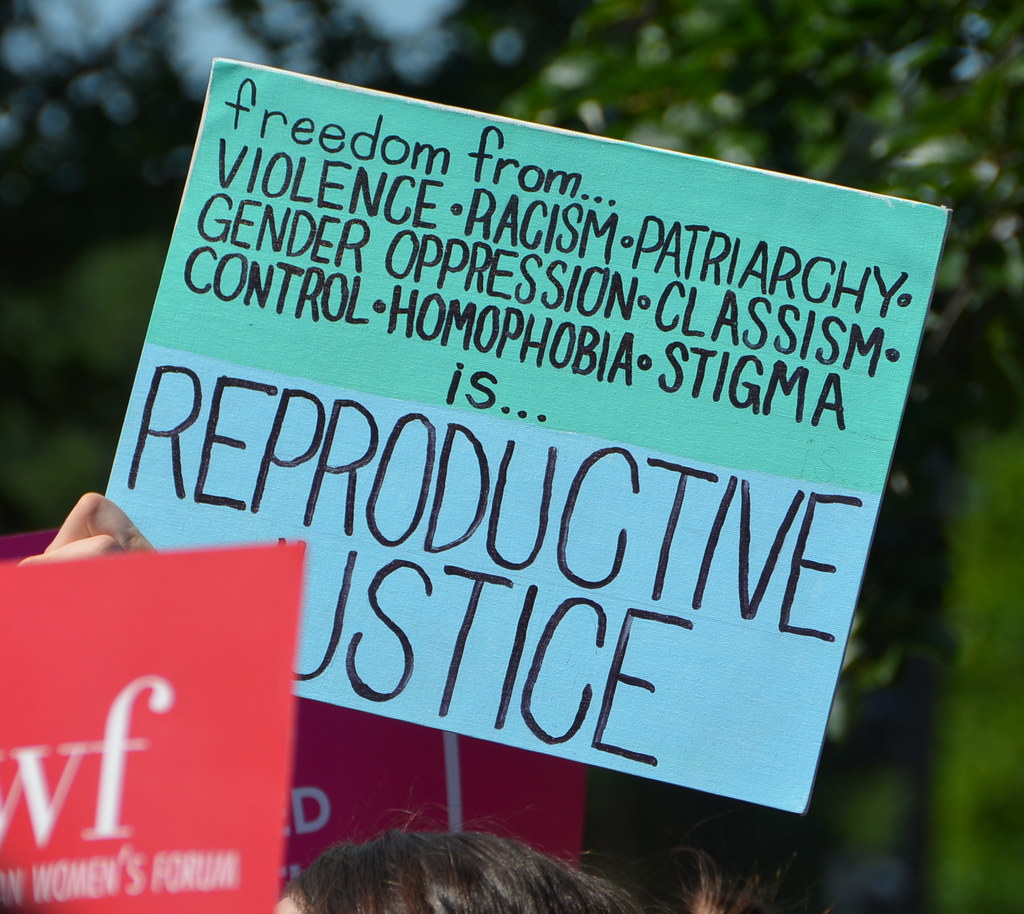
Congress’s Medicaid cuts are devastating for reproductive justice. At their core, they are an exercise of state control over reproductive lives, passing discriminatory value judgments on who is worthy of health care and who is left to fend for themselves. These cuts will tear coverage away from millions, disproportionately harming Black, Latine, Asian, Pacific Islander, and Indigenous people.
Medicaid cuts harm people throughout the full reproductive lifecycle. For example, Medicaid expansion work requirements and immigrant eligibility cuts will lock people out of access to vital health services, hurting people who desire to form families and who are navigating pregnancies, living child-free, parenting children, and navigating menopause. The cuts will deny the right to parent with dignity and support, harming parental health coverage and, in turn, children’s health coverage. Without health insurance, communities will go without the vital sexual, reproductive, disability-related, and primary care they need to flourish.
The cuts are also collapsing the health care infrastructure that supports various components of reproductive justice. Medicaid eligibility losses will cause uncompensated care to soar, forcing the hospitals and clinics communities rely upon to shut down. To make matters worse, Congress excluded essential community providers who deliver abortions from the Medicaid program, jeopardizing access to vital preventive and reproductive health services in already underserved communities.
And the harm does not stop there. Congress cut Medicaid to fund billions in tax cuts for the rich and funding for ICE and CBP’s racialized and anti-democratic attacks on immigrants and entire communities. The struggles against these injustices are inextricably linked to the struggle to protect Medicaid.
How We are Meeting this Moment
The Collaborative is meeting this moment by advancing two strategic priorities. First, we are co-creating and implementing a coordinated reproductive justice movement strategy to mitigate the damage of federal Medicaid cuts. Second, we continue to build collective power toward our bold, shared reproductive justice vision for universal health coverage reform. We will not stop fighting until every person has access to the comprehensive, culturally and linguistically appropriate, and nondiscriminatory health coverage they need to make decisions about their bodies, families, and futures.
If you work at a reproductive justice organization and would like to get involved, or if you would otherwise like to learn more about the Collaborative, contact NHeLP Senior Attorney Madeline Morcelle at [email protected].
Our 2026–2027 Leadership Council
Our Leadership Council is responsible for setting the direction of the Collaborative’s Medicaid-related advocacy. 2026–2027 members include Camille Kidd at In Our Own Voice: National Black Women’s Reproductive Justice Agenda, Daniela Ochoa Diaz at Unite for Gender & Reproductive Equity, Salen Andrews at the National Latina Institute for Reproductive Justice, and Sydelle Barreto at the National Asian Pacific American Women’s Forum.

Collaborative Tools
Meet the Team

Madeline Morcelle
Senior Attorney - Pronouns: she/her/hers
Madeline T. Morcelle, J.D., M.P.H., is a Senior Attorney at the National Health Law Program (NHeLP). She leads NHeLP’s…
Anona Neal
Sexual and Reproductive Health Policy Associate
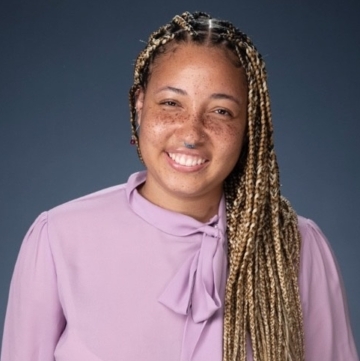
Anona Neal is a Sexual and Reproductive Health Policy Associate with the National Health Law Program. Anona provides programmatic,…

Briana Torres
Policy Fellow
Briana Torres is a Policy Fellow at the National Health Law Program through the Maeve McKean Women’s Law &…
